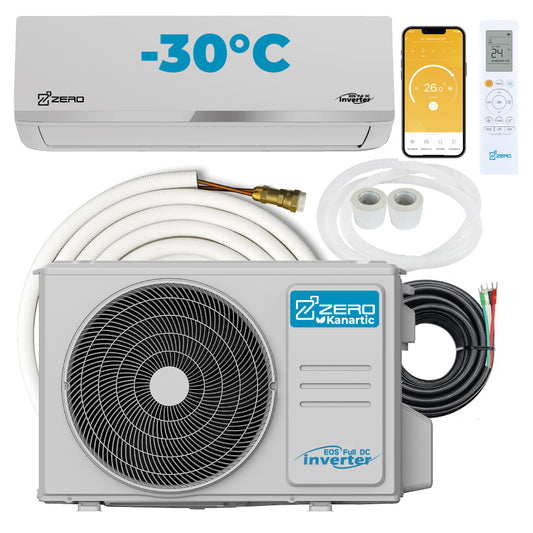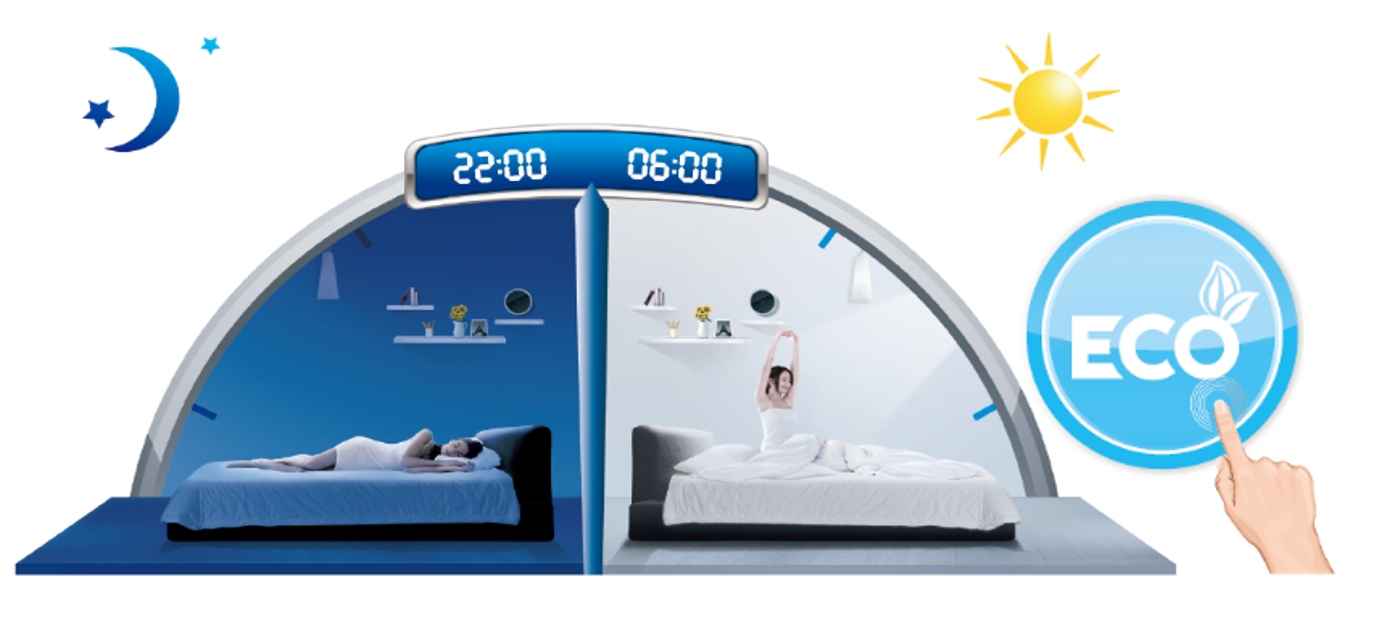
Reading time: 6 minutes Autumn is here and winter is approaching. It's the perfect time to prepare your heat pump for the cold months. Proper preparation ensures maximum efficiency , lower bills , and a longer lifespan for your system. Here's everything you need to do before the cold weather arrives. Winter preparation checklist Print this list and check each item: 🔧 Indoor unit ☐ Deep clean the filters ☐ Check that the air vents are not blocked ☐ Clean the air outlet grille ☐ Test the heating mode (before you really need it) ☐ Check that the remote control is working (change the batteries if necessary) ☐ Ensure the unit is always level 🌡️ Outdoor Unit ☐ Remove accumulated dead leaves and debris ☐ Clear away the surrounding vegetation (minimum 30 cm) ☐ Check that the unit is properly raised (30-45 cm from the ground) ☐ Inspect the base — still stable and level? ☐ Check the condition of the refrigeration lines (is the insulation intact?) ☐ Ensure that nothing will block the melted snow (drainage) ⚡ General checks ☐ Check the seal of the wall hole (is the caulking intact?) ☐ Test the WiFi and the application (useful for remote monitoring) ☐ Prepare the supplementary heating (are the baseboard heaters functional?) ☐ Note the optimal settings for winter Filter cleaning: The most important step Clean filters can make a 15-25% difference to your energy efficiency . Before winter, give them a thorough cleaning: Remove the filters from the indoor unit Vacuum to remove the dust Wash with lukewarm water and a little mild soap Rinse thoroughly and allow to dry completely (24 hours) Replace the filters once they are dry. During the winter: Clean the filters every 2-3 weeks when the heat pump is running continuously. Prepare the outdoor unit for snow Loft Conversion: The Key in Quebec If your outdoor unit is not elevated enough, now is the time to fix that: Recommended height: 30-45 cm (12-18 inches) minimum In areas with high accumulation: 45-60 cm (18-24 inches) Extension options: Wall mount (fixed to the wall of the house) Stacked concrete blocks Treated wood platform Commercial metal stand Protection against falling ice If your unit is under a roof or gutter: Install a deflector or a small protective roof. Never cover the unit with a tarpaulin (it needs to breathe) Make sure the meltwater can drain away. Clearance around the unit The unit needs air to function effectively: 50 cm in front (fan side) 30 cm on the sides and above Prune the shrubs before winter Optimal settings for winter Setpoint temperature Inverter heat pumps are more efficient with a stable temperature: Daytime: 20-21°C Night: 18-19°C (maximum drop of 2-3°C) Prolonged absence: 15-17°C Avoid: Large temperature fluctuations (dropping to 15°C at night and raising to 22°C in the morning). The heat pump will work very hard to compensate for the difference, which is less efficient than maintaining a stable temperature. Recommended mode Use the "Heating" mode rather than "Auto" in winter Auto mode can switch to air conditioning if the sun temporarily heats the room Set the fan speed to "Auto" for optimal distribution Intelligent programming If your heat pump has a programming function or if you use the WiFi app: 6:00 AM: Daytime temperature (20-21°C) 10:00 PM: Nighttime temperature (18-19°C) Absent: Create a profile at 15-17°C Understanding the defrosting cycle In winter, you will notice that your heat pump goes through defrost cycles . This is normal and essential for its operation. What's happening Frost accumulates on the outdoor unit (normal in cold and humid weather) The heat pump detects frost and temporarily reverses its cycle Hot air is sent to the outdoor unit to melt the frost. The indoor unit blows warm air or shuts off for 2-10 minutes. Once the frost has melted, normal heating resumes. What you will notice The indoor unit that temporarily "pauses" Steam/smoke coming out of the outdoor unit (that's the frost melting) A "swoosh" sound when the cycle begins Water dripping from the outdoor unit Important: Do not touch anything during defrosting. It is automatic and necessary. When should you worry? Contact support if: The defrosting process seems constant (every 15-20 minutes) A thick layer of ice never melts The unit no longer heats up at all after a defrost cycle. Auxiliary heating: When to use it? For days of extreme cold (-25°C and below), your auxiliary heater can help: Recommended configuration Heat pump: Set to your comfort temperature (e.g., 21°C) Baseboards: Set 3-4°C lower (e.g., 17-18°C) Result: The heat pump does the main job. The baseboard heaters only activate if the heat pump is unable to maintain the temperature — which will only happen during extreme cold. Why not turn off the baseboards completely? Keeping the baseboards as a backup offers the following benefits: A safety measure in case of heat pump failure An automatic top-up in very cold weather Peace of mind Winter maintenance After each snowstorm Check the outdoor unit Clear the snow around the area (leave 50 cm of clearance) Make sure the fan is not blocked Check that the ice is not accumulating abnormally. Every 2-3 weeks Clean or check the filters Check that everything is working normally What NOT to do ❌ Never cover the outdoor unit ❌ Do not pour hot water to melt the ice ❌ Do not scrape the ice with tools ❌ Do not switch off the unit during a defrost cycle Optimizing efficiency in cold weather 1. Maximize free solar energy Open the south-facing curtains during the day Close them in the evening to retain the heat 2. Reduce heat loss Check the door and window seals Use weatherstripping if necessary Close the doors of unused rooms 3. Use ceiling fans In winter mode (clockwise, low speed) Pushes the hot air that has accumulated at the ceiling downwards 4. Do not block the air vents No furniture in front of the indoor unit Curtains that do not block the flow Winter FAQs Can my heat pump provide heating on its own all winter? Yes, for 95% of Quebec winters. Kanartic heat pumps operate down to -30°C. Supplemental heating is recommended only for the few days of extreme cold. Should I have my heat pump serviced before winter? Annual professional maintenance is recommended but not mandatory. If you clean the filters and perform visual inspections regularly, your system should function properly. The outdoor unit makes a different noise in winter, is this normal? Yes, several noises are normal: the compressor working harder, the defrost cycle, water running after defrosting. Only be concerned about loud metallic noises or persistent squeaking. My heat pump seems less efficient than in the fall, why? That's normal. The efficiency (COP) decreases when the outside temperature drops. At -20°C, your heat pump is less efficient than at 0°C, but still more efficient than electric baseboard heaters. Conclusion Proper autumn preparation guarantees a comfortable and economical winter. The 30 minutes invested now will prevent problems in the middle of January and optimize your energy savings all winter long. The 3 most important things: Clean the filters thoroughly Remove and check the outdoor unit Test the heating mode before you need it Questions? See our FAQ